NEWS
-
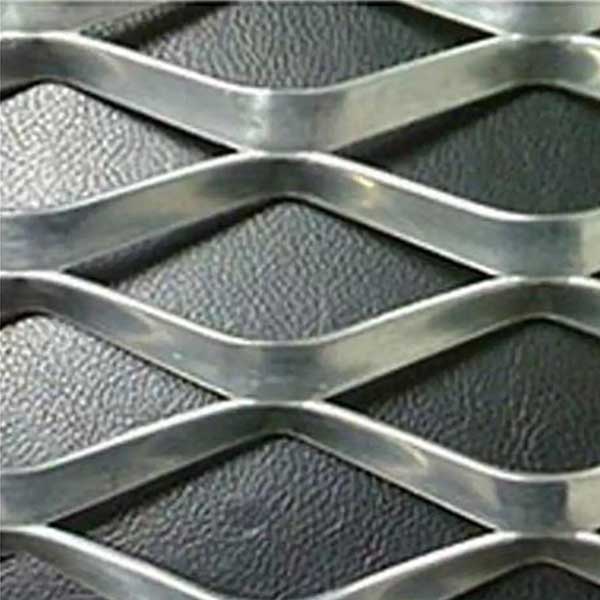
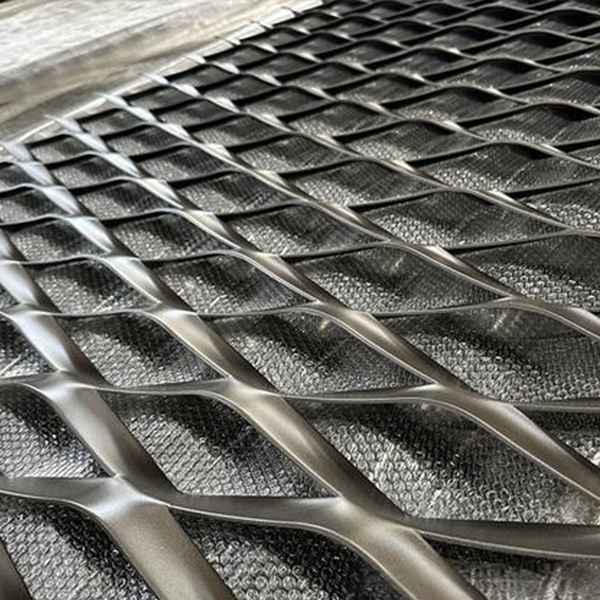
expand metal meshspecifications primarily consist of nine parameters: mesh aperture, mesh thickness, plate thickness, mesh width, mesh length, strand width, long pitch, short pitch, and mesh weight. T···
-
Steel expanded metal mesh, characterized by its diamond-shaped openings and integral structure, is a remarkably versatile material widely employed across numerous industries. Its unique combination of···
-
Expanded metal meshcan rust, depending on the type of metal used and its exposure to moisture and environmental conditions. Here’s how it varies by material:· Steel Expanded metal mesh. Standard car···
-
Expanded metal meshis strong due to its continuous, one-piece structure. It is made by slitting and stretching a solid metal sheet, creating a diamond-patterned mesh that distributes weight evenly. Th···
-
182025-11
wire mesh vs expanded metal mesh?
Expanded metalmeshis often confused with wire mesh, but the difference between the two products is significant and highlights the qualities of the former.They differ in structure, manufacturing, and s···
-
In this post, we’ll explore the different of the expanded metal mesh' SWD,SWO,LWD,andLWO—and explain how to choose the right spec for your application.. LWD (Long Way of the Diamond)LWD stands f···
-
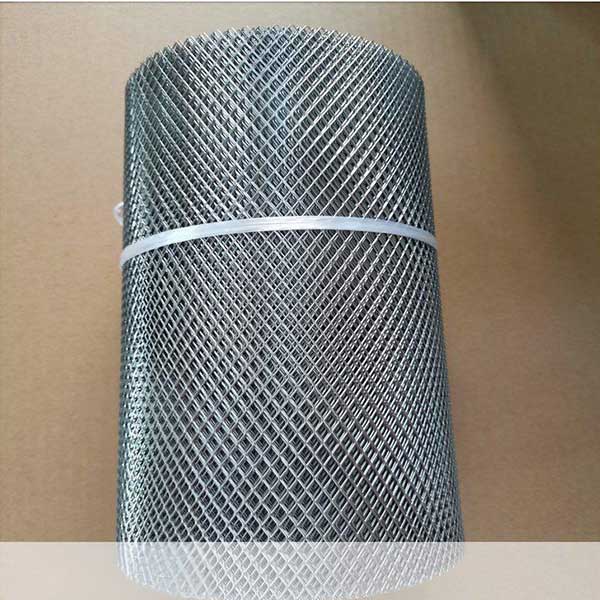
Expanded metal mesh is a coil of thin metal that has been precisely slit and stretched to form a uniform, mesh-like material with a regular pattern of openings (often diamond-shaped). Unlike woven wir···
-
192025-10
What is expanded metal mesh used for?
Expanded metal mesh is used for security fencing, window guards, and barriers in high-security areas. Its strength and small openings make it difficult to cut or break. Industrial applications. It is ···
-
What is stainless steel expanded metal meshStainless steel expanded metal is a type of mesh made from stainless steel sheets which are specially cut and stretched to form a mesh pattern. The material ···
-
In high-voltage laboratory grounding projects, the core functions of the grounding system are to quickly conduct fault currents, suppress electromagnetic interference, and ensure the safety of personn···